Annual Report
2024
Foreword
As in previous years, we look back at 2024 with mixed feelings. On the one hand, the EU passed the “Nature Restoration Law”, which sets clear targets for ecosystem restoration in Europe. A new “Environmental Crime Directive” came into force, which aims to improve the prosecution and punishment for severe environmental crimes. Both developments are positive and directly improve the outlook for the Baltic Sea.
On the other hand, the noticeable and very concrete developments for the Baltic Sea in 2024 were its remilitarization, its turning into a theatre of hybrid warfare, and the growing threat of Russia’s shadow fleet of decrepit oil tankers. The “new Cold War” in the Baltic Sea has already directly affected several BaltCF-funded projects. Some had to be replanned or even cancelled. The shift of state budgets towards defence and infrastructure investments also offers little hope for better environmental funding conditions in the coming years.
In this situation, BaltCF celebrated its 10th anniversary not with receptions and pats on the back, but with an initiative to improve the funding conditions for nature conservation in the Baltic Sea region. The office team held a series of online meetings with private funders and NGOs, as well as an on-site workshop in Riga and a conference in Gdańsk. This has generated valuable contacts, ideas for improving the funding situation for environmental NGOs. The first concrete result is that BaltCF is participating in a consortium that develops the “Ocean Matcher” funding instrument, which is part of the UN Decade of Ocean Science and was recently presented very successfully at the 3rd UN Ocean Conference in Nice/France.
There were also several developments for the foundation itself in 2024: BaltCF adopted new guidelines for funding and capital investment and launched a redesign process for its public image. The result of this process is a new Corporate Design and this new, digital-only version of our annual report. There was also change in our staff: Our project coordinator Maya Miltell left BaltCF and was succeeded by Kathleen Schwerdtner Máñez, an experienced nature conservation expert from Germany.
While we warmly welcome Kathleen to the team, we are sad to say goodbye not only to Maya, but also to Jörg Schmiedel, who announced his resignation from the Board of Directors after 10 years of intensive work for BaltCF. Jörg did a tremendous amount of work during the establishment and development of BaltCF and contributed sifnificantly to the foundation’s successes. We are very grateful for his service to BaltCF, and are delighted that he will continue to be available for us with his expertise and advice when needed.
Have a pleasant read,
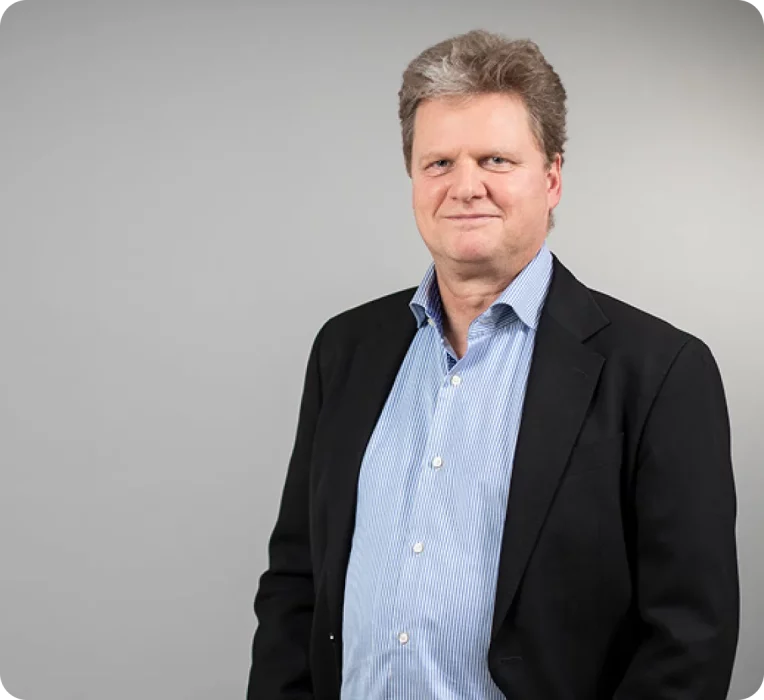
Alfred Schumm
Chairman of the BaltCF Board of Directors
Our funding in 2024
2024 saw a significant development in our funding policies. Following a strategy process, BaltCF’s funding guidelines were completely reworked, both regarding our collaboration with partners as well as our general funding principles. Moreover, we have started a process of improving the funding conditions in the Baltic Sea Region more generally.
Based on the feedback from applicants, we have elaborated more on the application process and expectations towards our fundees while maintaining our flexibility. We trust that the new funding guidelines are of greater help for our applicants while they prepare grant proposals.
At the same time, we have – for the first time – defined some of our tacit priorities explicitly: In the long term, we intend to spend 80% of our funding on projects and measures addressing eutrophication, habitat restoration, MPAs and reductions of the impact of fisheries. Projects that cover other topics, however, are still very welcome. Moreover, we have now made it explicit that we have a focus on the countries at the South-Eastern coast of the Baltic Sea: In the long term, 60% of our funding goes to countries outside Germany and Fennoscandia.
We have also moved beyond mere project grants and attempt to support our partners in the Baltic Sea region with a broader palette of options. This is a response not only to the often articulated and well-established needs of NGOs, but also to the problems that are inherent in many common funding programmes:

Focus on projects
Funding for conservation is mostly project-based. However, we regularly see the need for a certain piece of equipment, an investment, or another one-off expense, funding which makes total sense within our mission. It can be much more effective to fund such an isolated expense instead of forcing the grant-seeker to artificially incorporate it into a project. Also, in cases where the state ignores its conservation obligations, privately funded NGOs should make the authorities do their job instead of doing it for them.
Our response is that we now fund isolated expenses and legal action contributing to our mission of Baltic Sea conservation. The first examples are the new hay bailer for the Lake Engure Nature Park Foundation and the support for Coalition Clean Baltic’s complaint to the European Court of Justice about the herring fishing quota for 2024.

Lack of grant-writing grants
Especially volunteer-driven NGOs often do not have the resources to write grant proposals for higher funding amounts, or to try to tap into new funding sources, because their project grants are awarded for concrete project tasks and the additional work the staff can do is limited. This means good project ideas are left unrealized, and small NGOs have less opportunity to grow and professionalize themselves.
Our response is that we now award grant-writing grants for larger projects that contribute to our mission of Baltic Sea conservation.
We also respond to some problems that are more on the side of the fundees that do the operative work:

Lack of skills
Even NGOs with a permanent staff often lack the skills to realize larger projects, from designing a project to getting funding, implementing the project and settling the finances.
Our response is that we now award one scholarship per year for the Frankfurt Spring School, provided an eligible NGO representative from the Baltic Sea Region gets admitted to the program.

Lack of liquidity
Large public programs like LIFE or INTERREG, but also many national programs insist on the reimbursement principle. This means that NGOs have to report the costs from the last reporting period and then get them reimbursed afterwards, with no advance payments. This prevents smaller NGOs without financial reserves from even applying for such grants, because they cannot afford to advance the costs for so long.
Our response is that we now award zero-interest liquidity loans for such projects to help NGOs with the challenges of advancing project expenses.
We have also begun to revise our application and reporting documents to make them easier to handle and more reliable for both sides. While we have our own obligations under the German law on foundations and the tax code, which demand us to use our funds in certain ways and to report about this use, we will keep trying to make the whole process leaner and less bureaucratic.
While these changes concern the internal workings of BaltCF and its relations to its fundees, we have also worked on the more general funding landscape for environmental projects in the Baltic Sea area. Over the year, we have conducted a number of virtual and on-site workshops with funders and NGOs to better understand the needs of both groups, culminating in our 10-year-anniversary conference in September 2024 in Gdańsk.
These events served to initiate a process for improving conditions for environmental projects in the Baltic Sea region. One first, concrete result of this process is our active involvement in the consortium that created the Ocean Matcher as a digital platform for matching ocean-related projects with philanthropic funders. We will continue to work on these issues in the future.
All in all, BaltCF has awarded €322,960 in funding in 2024 for new projects and initiatives.
Funded Activities
WaterTreatmentPark
New
Summary
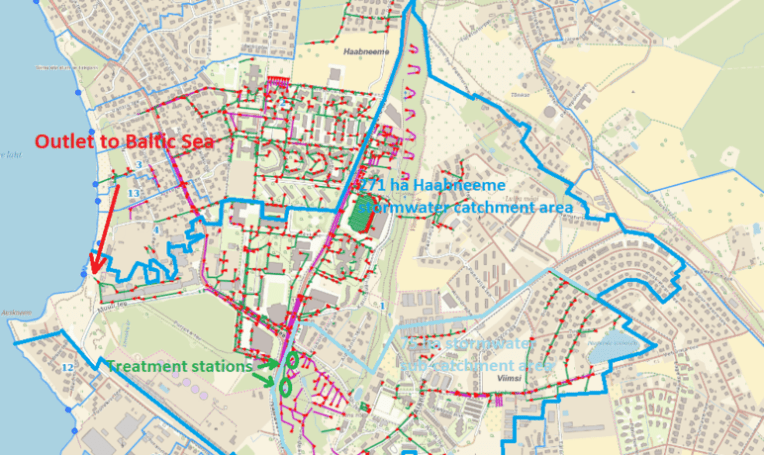
The Viimsi municipality with around 23,000 inhabitants at the Estonian Baltic Sea coast is located on a peninsula – and on 70 meters of blue clay that water cannot penetrate. This means that the stormwater runoff from rain and melting snow, carrying nutrients and pollutants, almost directly discharges into the Baltic Sea.
In a range of projects, the municipality has improved its stormwater system in recent years. Urban surface area has been unsealed so stormwater can seep away and be filtered before it runs off into the sea. Also, water retention has been increased, while a meticulous monitoring system has been installed.
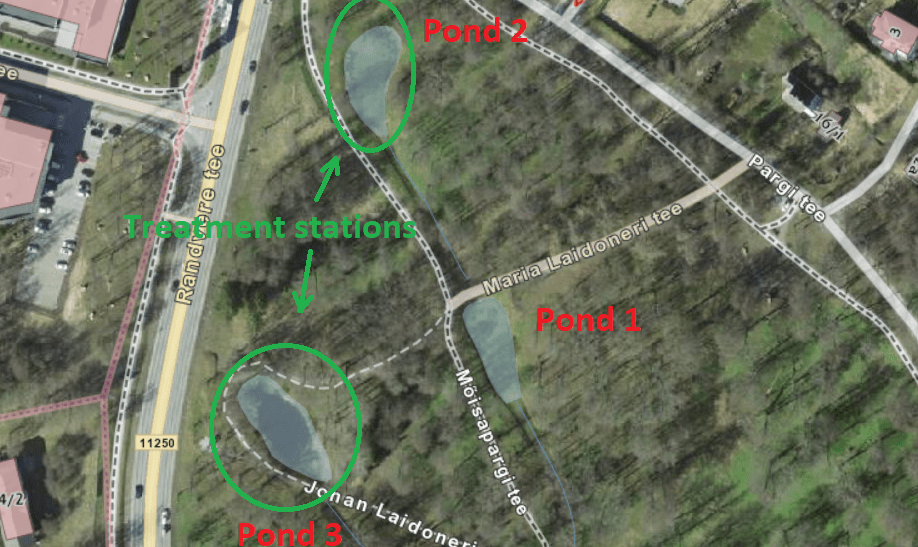
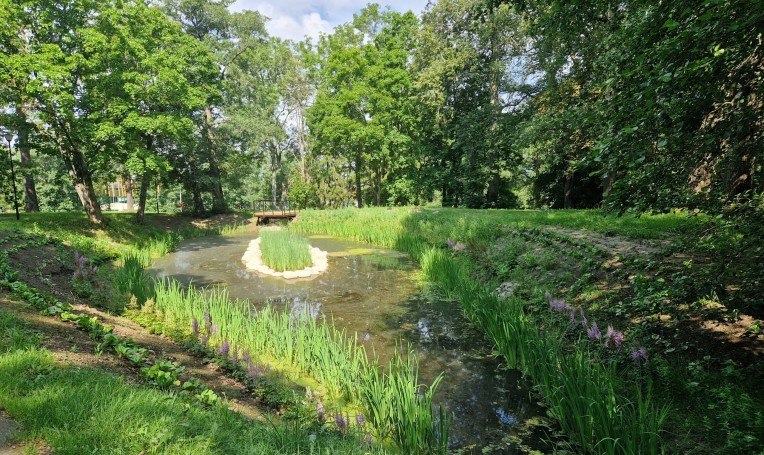
The goal of this particular project is a nature-based stormwater treatment system through the modification of two ponds in Viimsi’s manor park, which is the confluence point of stormwater from a 75 ha catchment area.
The technical planning has already been done in a separate Interreg project, so BaltCF is supporting the concrete implementation as well as the monitoring of the effects of the measure.
2024 mostly saw the revision and updating of the technical planning as well as concrete preparations of the construction works, which were to take place in 2025.
Key Project Data
Topic
Eutrophication
Funding Type
Project grant
Beneficiary
Viimsi vald / Viimsi municipality
Duration
2024/04/01 – 2026/03/31
Country
Estonia
Budget
Total: €266,200.00
BaltCF funding: €212,960.00
Planned results

Reshaping of two ponds and their in- and outlets
Installation of a monitoring system
Reduction of total nitrogen loading to the Baltic Sea by 250 kg per year
Reduction of suspended solids (carrying phosphate and heavy metals) discharged into the Baltic Sea by 5.4 tons per year
Hay Bailer for the Lake Engure Nature Park Foundation
New
Summary
The Lake Engure Nature Park is a Natura 2000 and Ramsar site that is a biodiversity hotspot particularly important as a major nesting and migratory stopover site for many bird species. It is also a habitat for rare wetland and aquatic plant species. A part of the park area is managed as dry meadows, including BaltCF’s 7-ha property there. Dry meadows are an important habitat for rare and endangered species of plants, invertebrates, and birds, and increasingly rare in Latvia because they need active management (mostly mowing) while having limited economic value.
The Lake Engure Nature Park Foundation, which is the managing authority of this protected area, regularly mows different areas of the park, totalling around 32 ha. The hay is bailed and later used as winter food for cattle and Koniks that graze on another 62 hectares which are too wet to move onto them with a tractor. The grazing keeps habitats in good condition that are important for waterfowl and waders.
As the old hay bailer broke down more and more often, the decision was made to purchase a new one. Since the bailing supports the animals that fulfil an important conservation function in the park, BaltCF decided to support the purchase with a grant.
Key Project Data
Topic
Habitat restoration
Funding Type
Isolated expense
Beneficiary

Engures ezers dabas parks fonds / Lake Engure Nature Park Foundation
Country
Latvia
Budget
Total: €18,236.55
BaltCF funding: €10,000.00
Results and Impact on the Baltic Sea

The further grazing of nature park areas important for waterfowl and waders was secured
Ocean Matcher
New
Summary
While the problems of NGOs with finding funding are well-known, funders themselves indeed also have problems with getting their money to the right projects. Some are overwhelmed with applications and actually don’t have the resources to scrutinize every application thoroughly enough to make the best possible funding decisions. Others may be less known and receive so few applications that they are actually having trouble to put their money to good use.
During its workshops and discussions with other funding bodies, BaltCF was pointed towards the Ocean Matcher platform, which wants to close this “matching gap”. This tool is a result of debates among funders on various UN Ocean Decade conferences about the difficulties of finding good projects matches for funding programs and is supposed to bring ocean-related projects and philanthropic funders together with an AI-based matching algorithm.
After the successful presentation of a Proof of Concept and a Pilot version of the platform on the conferences in Barcelona and Rio de Janeiro, the team went into the phase of delivering a first functional version for productive use and was looking for funding.
Together with a number of other international ocean funders, BaltCF agreed to support this project phase as a grantmaker and part of the steering committee. We deem this engagement to further our foundation’s mission by ensuring the inclusion of concrete nature conservation projects along the science and technology projects that had been prioritized before, and by increasing attention for the Baltic Sea in the international ocean community. Currently being developed under the roof of the Norway-based HUB Ocean Foundation, the platform will be transferred to a dedicated non-profit organization after the official launch on the 3rd UN Ocean Conference in Nice/France in June 2025.
Key Project Data
Topic
Other
Funding Type
Project grant
Beneficiary
HUB Ocean Foundation

Budget
Total: €400,000.00
BaltCF funding: €50,000.00
Planned results
Launch of a productive system in June 2025
Recruitment of projects and additional funders to increase usage of the platform
Increased visibility of the Baltic Sea
Actual matches that lead to positive funding decisions
SONET – Save Our Nature and Environmental Treasures at the Coast of Latvia
Completed
Summary
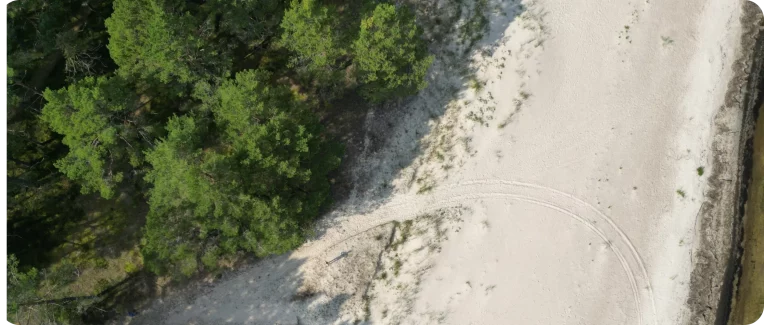
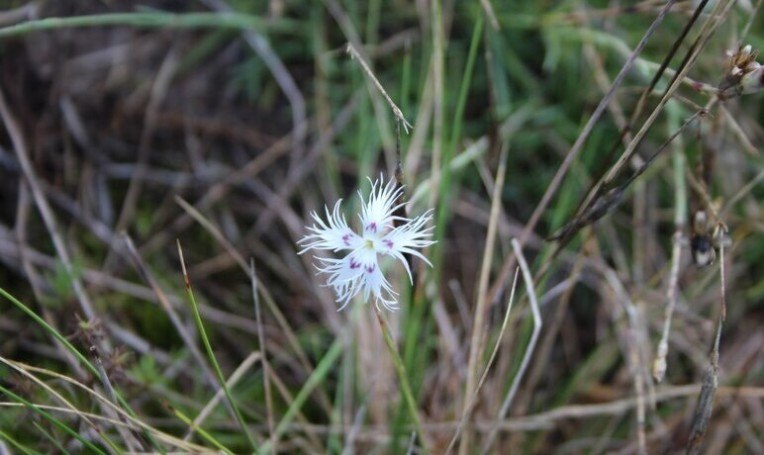
The SONET project aimed to protect coastal dune ecosystems in the Western part of Latvia, specifically in the areas near Ventspils, Mērsrags and Bērzciems. These areas are home to critically endangered species like the sand pink (Dianthus arenarius) and perform important ecological functions. The central project goal was to restore grey dunes and marine coastal meadows, which are important but endangered habitats along the Baltic Sea coast, and to create a sustainable tourism infrastructure to mitigate the negative effects of heavy and unregulated tourism in these areas. In this sense, the project is a continuation of the project Save Latvian Dunes, also supported by BaltCF.
The project saw severe problems due to the massive increase in construction prices after the outbreak of the Ukraine war. Later, the largest project site was handed over to the military, which meant all investments there were stopped, and alternative measures had to be devised. Despite all these obstacles, the project was concluded successfully and has created considerable impact.
Key Project Data
Topic
Habitat restoration
Funding Type
Project funding
Beneficiary
Latvijas Zaļā Kustība / Latvian Green Movement
Duration
12/07/2021 – 30/09/2024
Country
Latvia
Budget
Total: €269,451.27
BaltCF funding: €198,537.27
Results and Impact on the Baltic Sea
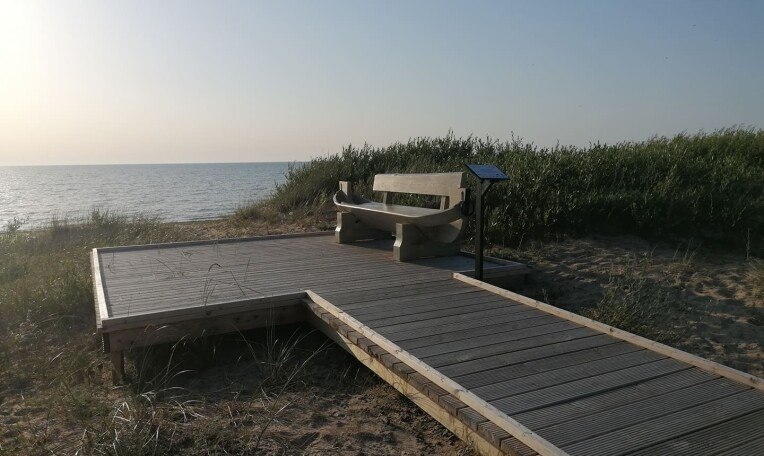
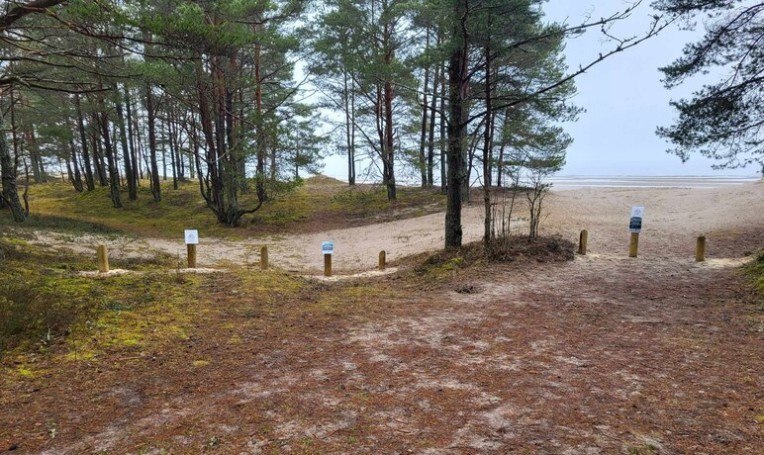
2 view sites, 2 Green Universal Toilets, various wooden trails and 60+ information signs have been built to improve accessibility while channeling tourist flows to protect the grey dunes.
Several illegal roads were closed with wooden poles or heavy rocks to prevent cars from driving through the dunes.
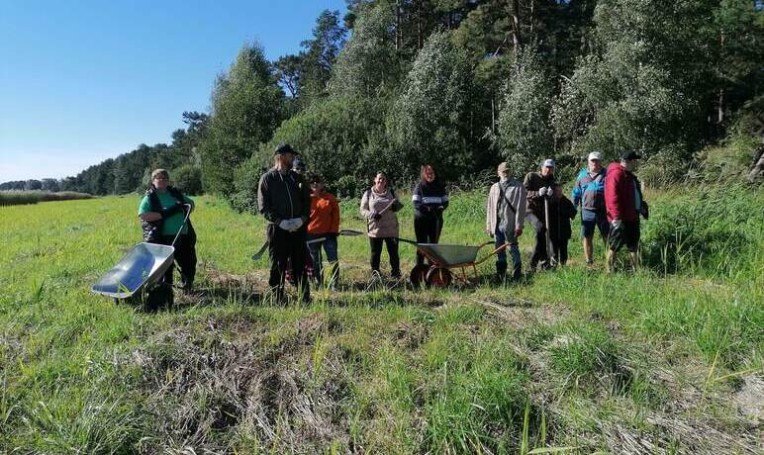
4.7 hectares of grey dunes were restored by removing woody vegetation, and reed cutting was performed on 15 hectares of marine coastal meadows.
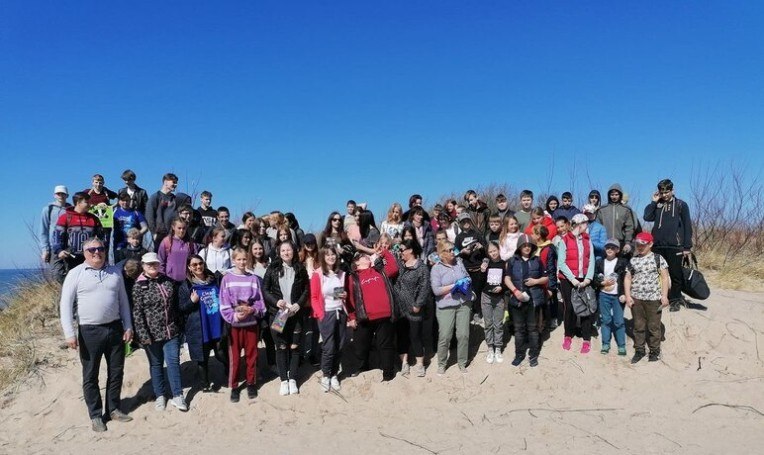
400+ students from 12 regional schools were involved in restoration and cleanup actions as well as information events.
Baltic Sea Ghost Nets
Completed
Summary
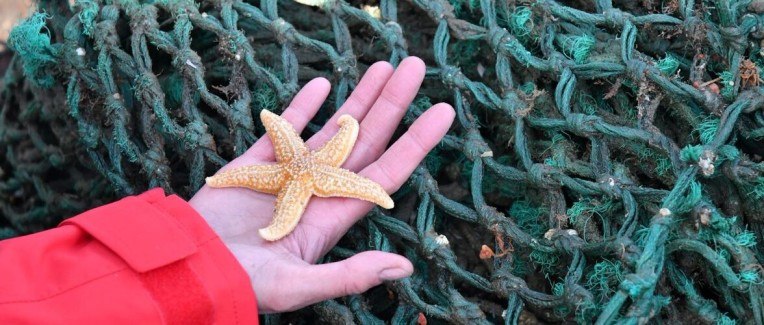
This project addressed the serious threat to the marine ecosystem posed by lost fishing gear, or “ghost nets”. Fishing gear that is lost at sea or deliberately disposed of keeps catching fish and other animals like mammals or waterbirds, which then unavoidably drown. The nets also represent a pollution problem as they are usually made of different types of plastic, sometimes combined with toxic heavy metals like lead as weights.
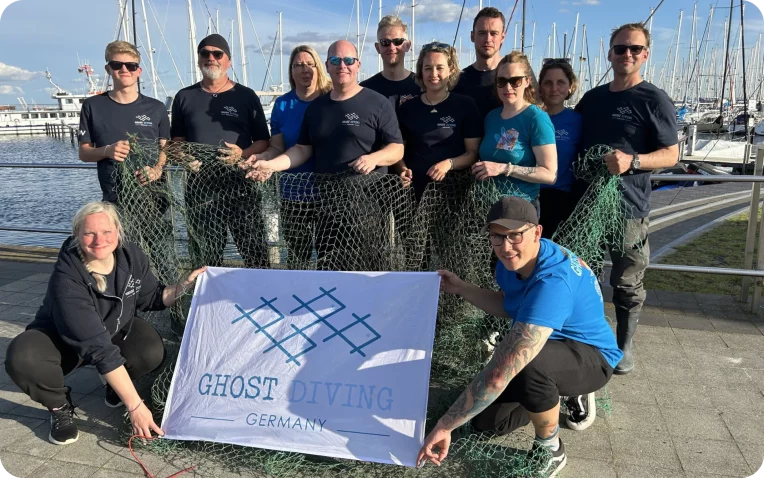
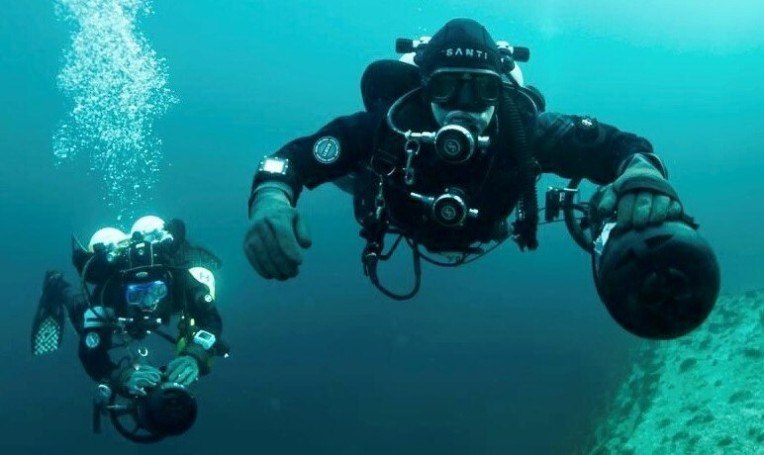
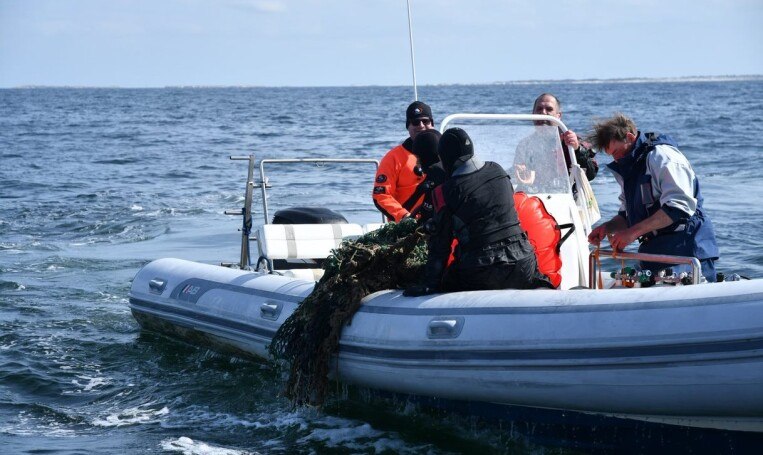
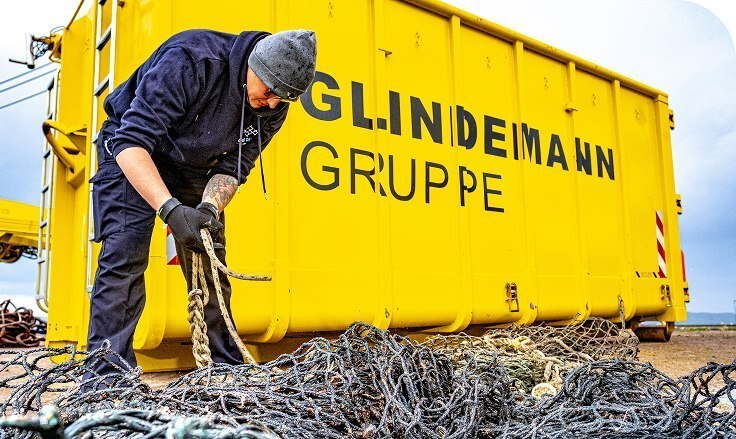
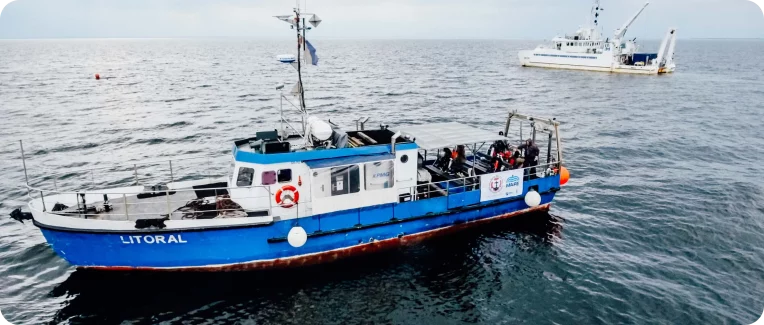
Our partner, an association of divers that work on a completely voluntary basis, conducted a number of diving expeditions to retrieve ghost nets from German and Danish waters. They successfully recovered 8,495 kg of ghost nets and 1,720 kg of other waste, including e-scooters, boat batteries and a concrete mixer. Of the ghost gear, 825 kg were handed over to BRACENET GmbH for upcycling into keychains and other products. €2.00 per item sold goes back to our partner to finance more ghost gear retrievals from the Baltic Sea. 1,765 kg of recovered waste was recycled into new yarn, and the remaining 5,905 kg were forwarded to incineration.
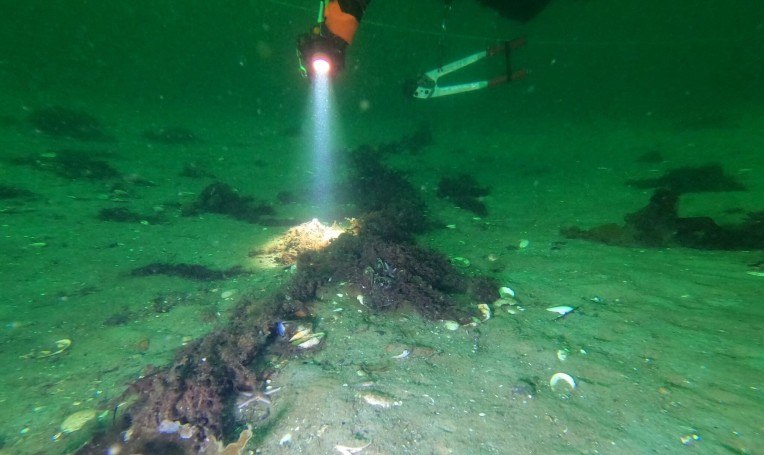
Through a cooperation with WWF Germany, our partners also investigated sites where larger ghost gear was suspected. The team confirmed 43 of such suspected locations during the project.
These measures not only contribute to keeping the marine environment clean, but also to reducing waste through up- and recycling of as much of the recovered material as possible.
Key Project Data
Topic
Other
Funding Type
Project funding
Beneficiary
Ghost Diving Germany e.V.
Duration
2022/04/01 – 2024/12/31
Country
Germany / Denmark
Budget
Total: €121,802.00
BaltCF funding: €99,802.00
Results and Impact on the Baltic Sea
8,495 kg of ghost gear was salvaged, which won’t keep catching marine organisms or pose a source of pollution any more.
825 kg of the gear was upcycled into new products, 1,765 kg recycled into new yarn.
1,720 kg of other litter was salvaged, including boat batteries and a concrete mixer.
43 suspected ghost gear locations were validated for later retrieval.
Legal Action for Ecosystem-based Management in Fisheries
Ongoing
Summary
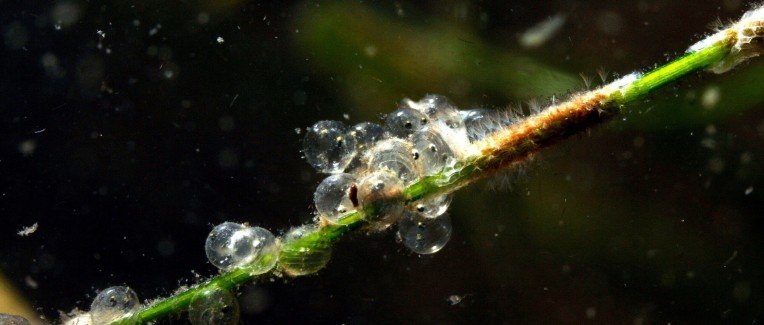
BaltCF supports Coalition Clean Baltic’s legal action against Council Regulation (EU) 2023/2638. The Agricultural and Fisheries Council of the European Union, against the proposal of the European Commission and against a number of legal acts, has not closed the herring fishery in the Baltic Sea for 2024. Instead, it has ignored that the herring stocks have fallen below all legally defined thresholds and has more or less set fishing quotas as usual. As an NGO coalition that is able to fulfil the admission criteria for legal action against such decisions, CCB has decided to challenge that regulation. This is based on legal expertise as well as a recent decision of the EU Court of Justice in a similar case. The goal is to set a precedent and clarify that the Council’s decision is illegal, preventing similar decisions in the future.
In January 2024, as a first step our partner filed a “Request for Internal Review” to the Council, which was flatly rejected by the Council in April 2024. CCB thus filed a complaint to the General Court of the European Union in July 2024. At the end of the year, the written phase of this procedure was still ongoing. A verdict is not expected before 2026.
Key Project Data
Topic
Fisheries
Funding Typpe
Legal Action
Beneficiary

Coalition Clean Baltic
Budget
Total: €145,992.00
BaltCF funding: €70,000.00
Planned results
Court decision that declares the 2024 herring fishing quota for the Baltic Sea illegal, as a precedence for similar decisions in the future.
Connected Diversity at the Treasure Coast
Ongoing
Summary
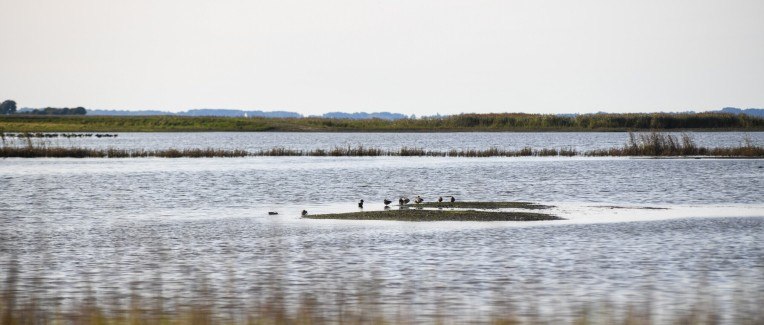
This project aims at upgrading biodiversity and landscape connectivity in the Western Pomeranian Lagoon Area and the Rostocker Heide Woodlands.
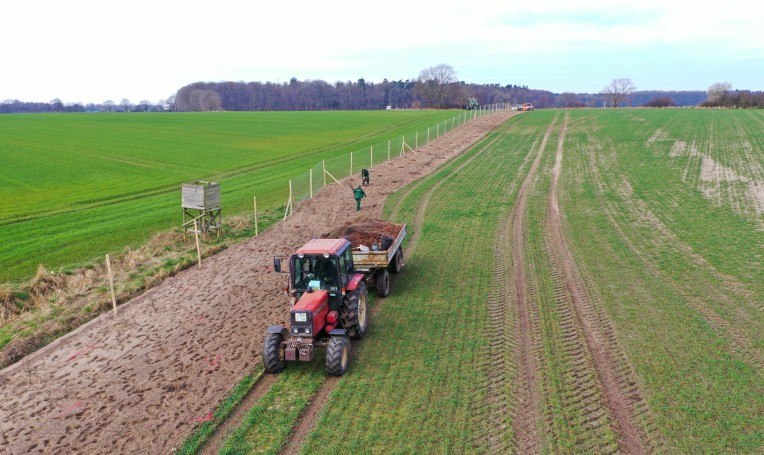
In 2024, landscape connectivity in the project area could be enhanced further. With 7 km of new hedges that connect habitats, the overall goal of 5 km has long been surpassed. Due to the length of the hedges (> 50 m), their long-term maintenance is legally secured. Moreover, diverse smaller measures could be implemented, like flower meadows or contracts with farmers to protect ground-nesting birds.
Regarding the rewetting efforts, the restoration of mires was prepared at several locations (e.g. Ahrenshoop, Venz).
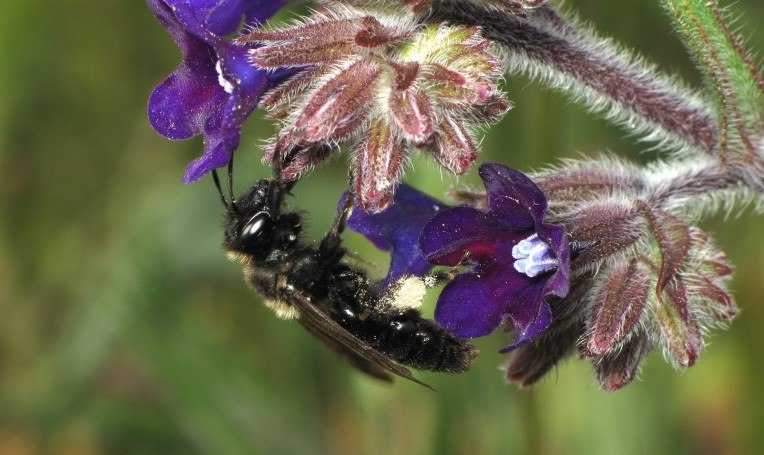
The registration of sightings of several rare bee species via the Citizen Science app “Vielfalt erforschen” (“Exploring diversity”) continued and was supplemented by the inclusion of spring fairy shrimps. 22 education activities have been conducted in cooperation with schools, with more than 230 people attending.
Key Project Data
Topic
Habitat restoration
Funding Type
Project funding
Beneficiary

Naturschutzstiftung Deutsche Ostsee /
Baltic Sea Foundation
Duration
2020/07/01 – 2026/12/31
Country
Germany
Budget
Total: €9,809,713.57
BaltCF funding: €803,854.00
Project results
24 municipalities are already cooperating to create intermunicipal habitat networks.
7 km of hedges have been planted as a connector between habitats, 40% more than planned.
Rewetting measures are being prepared.


Finances
2024 was again a challenging year, but an improvement to the year before. The immediate effects of the Russian attack on Ukraine – especially the extreme inflation in our most important target countries – were wearing off, while certain fundamental market shifts – like the redistribution of investment to the defence sector or the development in the renewable energy sector – remain.
Asset management remained the sole regular income source for BaltCF. After a loss in 2023, our asset management returned to the profit zone in 2024, mostly due to increased ordinary earnings and reduced obligatory write-downs. We expect this situation to improve in 2025, with results returning to the pre-2022 trajectory.
The decrease in funding obligations and program costs is mostly due to the fact that 2023 had a land purchase (Latvia), which is a rare exception causing high one-off expenses, while 2024 did not have one.
| Income | 2024 | 2023 | +/- |
|---|---|---|---|
| Ordinary income from asset management | €980,140.94 | €939,573.07 | +4.3% |
| Value adjustments and realized profits | €286,798.37 | €321,960.03 | -10.9% |
| Other income | €90,049.50 | €3,826.65 | +2,253.2% |
| Total income | €1,356,988.81 | €1,265,379.75 | +7.2% |
| Costs | 2024 | 2023 | +/- |
|---|---|---|---|
| Funding obligations and programme costs | €345,520.97 | €612,283.72 | -43.6% |
| Costs of administration | €145,059.57 | €180,739.69 | -19.7% |
| Costs of asset management | €37,928.64 | €41,132.59 | -7.8% |
| Value adjustments and realized losses | €1,063,881.15 | €1,461,946.03 | -27.2% |
| Other costs | €27,748.76 | €30,359.26 | -8.6% |
| Total costs | €1,620,139.09 | €2,326,461.29 | -30.4% |
| Result | 2024 | 2023 | +/- |
|---|---|---|---|
| Result from asset management | €137,380.76 | -€271,884.78 | – |
| Year’s result | -€263,150.28 | -€1,061,081.54 | – |
| Total assets per 31/12 | €20,728,869.30 | €21,300,279.44 | -2.7% |
About our Foundation
Developments of 2024
2024 marked BaltCF’s 10-year-anniversary as well as some changes in the way the foundation functions.
On the level of funding, we have reformed our policies as outlined in section “Our funding in 2024”.
Beyond changing how our funding works, BaltCF has also started to network better with other funders in the Baltic Sea Region and beyond. We have organized a number of online and on-site workshops, and finally a conference in Gdańsk/Poland in September 2024, to discuss the challenges and opportunities for better Baltic Sea conservation funding.
Enhanced International Collaboration
Not only has BaltCF managed to establish relationships with other environmental funders in the Baltic Sea region, but also moved beyond the regional focus. One result of the discussions of 2024 was that the Baltic Sea is not on many people’s radar outside this part of Europe, and that it is also the other way around: NGOs in the Baltic Sea region who are struggling for grants often don’t even know that there are funders beyond the regional scope who’d be a good fit for what they’re doing.
We have thus started to become part of the larger, global ocean conservation community and are already working on actively attracting international funding to the Baltic Sea Region, as well as laying the groundwork for exchanging applications with funders that have a good evaluation, but still can’t be funded for lack of money or because of a bad fit with the respective programme.
Funding Future Conference 2024 in Gdańsk
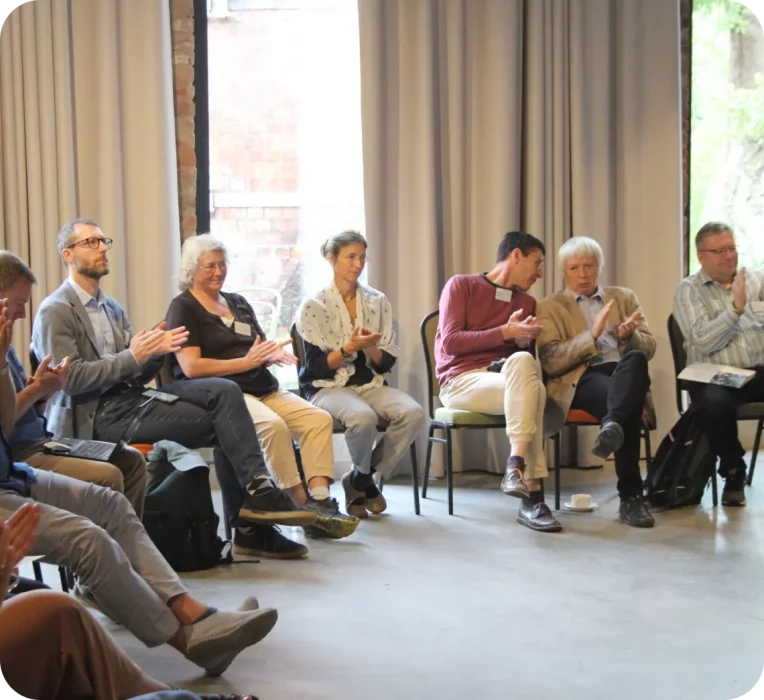
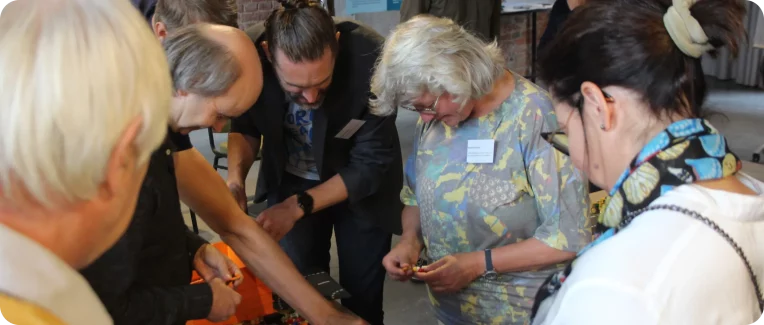
A highlight of the year was the conference we organised in Gdańsk in September 2024 with around 30 representatives from various funding organisations as well as NGOs.
The topic of the two-day workshop-oriented event was the question of how the funding landscape in the Baltic Sea Region could be improved, bringing funders and NGOs into an informal dialogue, and opening up the opportunity of NGOs to present their project plans directly to funders. Since this event was also the celebration of BaltCF’s 10th anniversary, we took it as an opportunity to honor two very important persons: Jochen Lamp, former head of the WWF Baltic Sea office in Stralsund and the person behind the creation of BaltCF, and Jörg Schmiedel, who has served as a voluntary member of the Board of Directors for 10 years until March 2024.
Revision of investment guideline
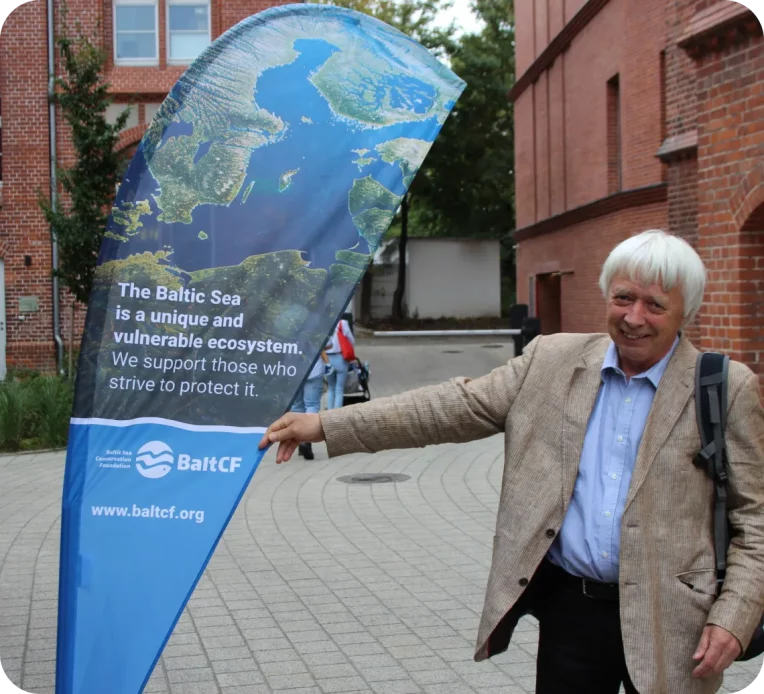
On a more technical level, BaltCF has revised its investment guideline to provide more flexibility for new investment instruments, while at the same time sharpening its sustainability policy. Previously only tacitly applied social investment criteria have been formally introduced, the environmental criteria have been slightly changed, and we now have explicit criteria that apply to public investment instruments like government bonds. Those exclude, for example, obligations by governments that have not joined certain international treaties or that apply the death penalty.
Our foundation’s governing bodies
The Board of Directors, which works on a voluntary basis, is the body mainly responsible for the foundation’s activities and consists generally of three members. At the beginning of 2024 those were
- Alfred Schumm (Chairman), nominated by WWF Germany,
- Jörg Schmiedel (1st Vice-Chair), nominated by Friends of the Earth Germany, state section of Mecklenburg-Western Pomerania, and
- Dr. Susanna Knotz (2nd Vice-Chair), appointed by the Board of Directors.
Jörg Schmiedel resigned per 31st March 2024. Susanna Knotz was subsequently declared a delegated board member by Friends of the Earth Germany, state section of Mecklenburg-Western Pomerania. The third seat was vacant at the end of the year.
In 2024, nine board meetings took place. The Board of Directors was granted discharge and approval for the year 2023 by the Board of Trustees.
The Board of Trustees, also active on a voluntary basis, consults and supervises the Board of Directors. In 2024, it met once. During the entire year, its members were:
- Stefan Schwill (President), nominated by Birdlife Germany, state section of Mecklenburg-West Pomerania,
- Stephan Zirpel (Vice President), nominated by WWF Germany, and
- Thomas Blaudszun, nominated by Friends of the Earth Germany, state section of Mecklenburg-Weste Pomerania.
Office staff
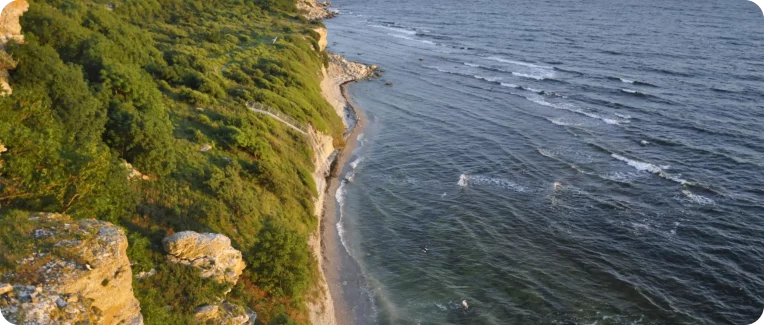
The office team is responsible for the preparation of board decisions, the ongoing management of the funded projects, the implementation and controlling of the foundation’s asset management, and public relations. Its members work mostly remotely, with regular meetings in BaltCF’s office. The latter is situated in the Basislager Coworking in Rostock’s city centre.
At the end of January 2024, our project coordinator Maya Miltell left BaltCF. We thank Maya a lot for her engagement in the past years and wish her all the best for the future! At the same time, we are very happy to welcome Kathleen Schwerdtner Máñez in our midst. Kathleen is a conservation expert with a background in landscape ecology and conservation and a lot of experience in managing and evaluating conservation projects.
Due to changes in our work organisation and the general trend towards digitalization and automation, BaltCF has dropped the traditional position of Office Assistant.

Thomas Winter
Managing Director
Thomas is responsible for the general management, including asset management. He holds a degree in International Business and Cultural Studies, a PhD in International Relations, and an MBA in Sustainability Management.
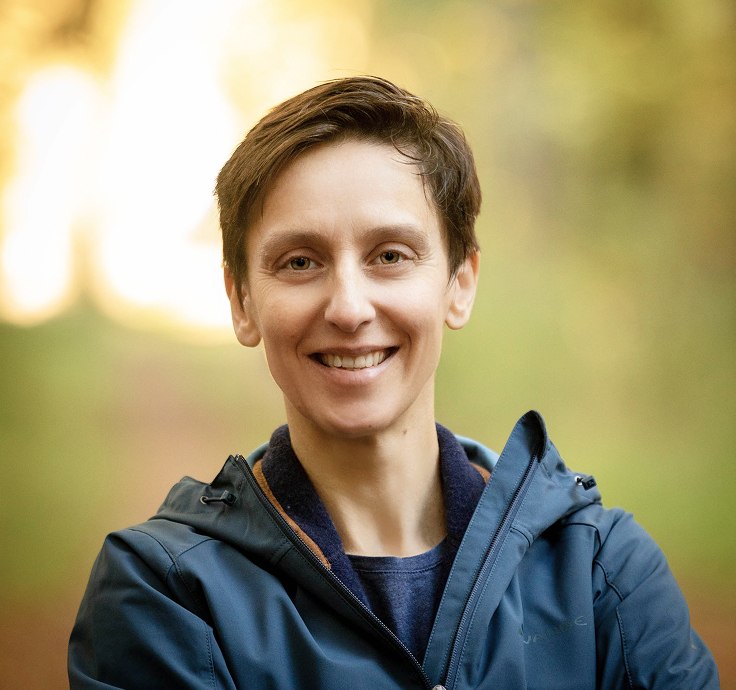
Dr. Kathleen Schwerdtner Máñez
Project Coordinator
Kathleen coordinates the project portfolio and the project application and management processes. She holds a degree in Landscape Ecology and Nature Conservation and a PhD in Agricultural Economy and Policy.
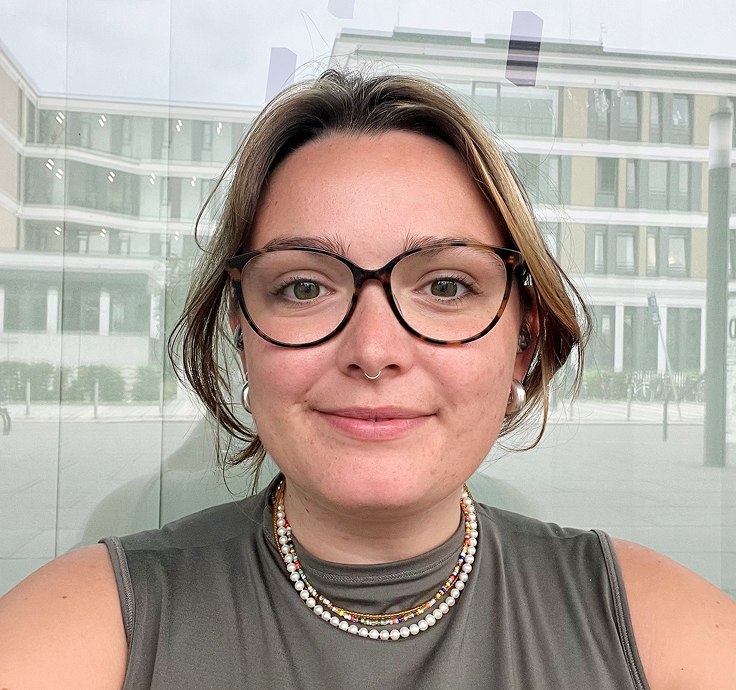
Helene Witan
Student Assistant
Helene is our student assistant and mainly supports the project side of our activities. She holds a BSc in Biology and is currently in her Master’s programme.